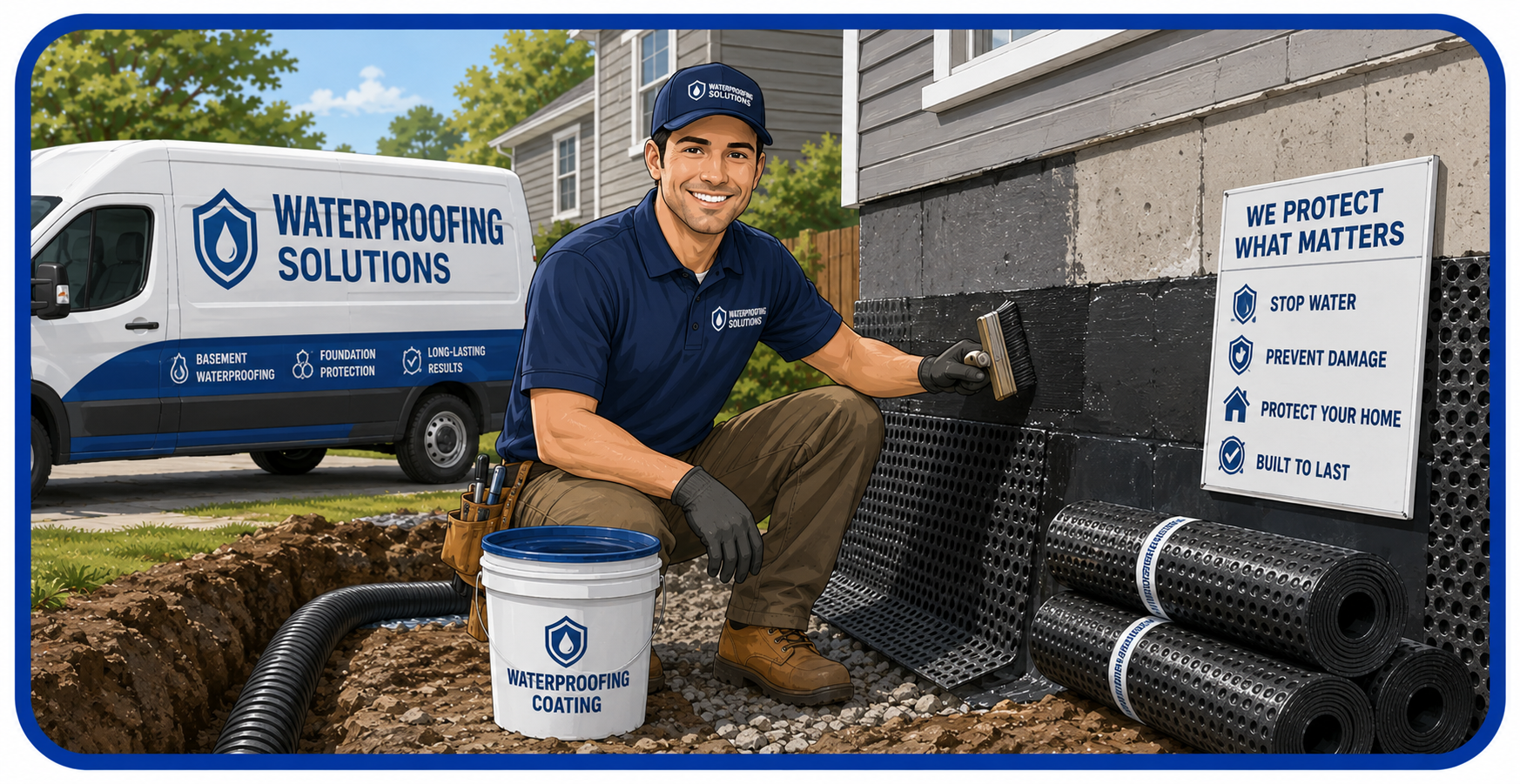
Standing water, damp walls, and musty odors signal hydrostatic pressure building against your foundation -- JCB Waterproofing and Construction stops it at the source.
Here is what sets our basement waterproofing team apart from the rest.
We design every interior drainage system from scratch based on your basement's actual water entry points, soil type, and floor elevation -- no one-size-fits-all kits.
Block wall seepage is addressed with a combination of core-filling, waterproof parging, and interior membrane systems that stop moisture transfer even under sustained hydrostatic pressure.
Our team is not seasonal labor -- these are career waterproofing professionals who have installed hundreds of systems and troubleshoot the edge cases that stumpers other companies.
We deliver detailed written quotes that break down every material and labor cost -- no surprise line items appear on your final invoice that were not on the original estimate.
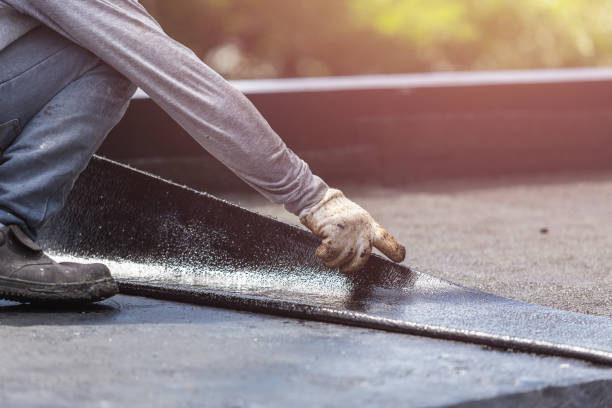
Hydrostatic pressure is the invisible force behind nearly every basement water problem homeowners face in Central Islip, NY. When soil around your foundation becomes saturated -- whether from heavy rain, snowmelt, or a high water table -- it exerts outward and downward pressure against concrete walls and floor slabs that can exceed hundreds of pounds per square foot. Over time, this pressure finds the smallest weakness: a tie rod hole, a cold joint between wall and footing, a shrinkage crack in poured concrete, or a deteriorated mortar joint in block construction. Once water finds its path, that path widens with every wet season until a trickle becomes a flood.
A well-installed interior drain tile system is designed around the specific hydrology of your property. Basements in Central Islip that sit in naturally high water table zones require larger-diameter pipe and higher-capacity pumps than basements that only collect surface runoff during heavy storms. Our assessment process measures both the volume and the frequency of water intrusion to right-size every component -- from the pipe diameter to the pump horsepower and battery backup capacity.
In poured concrete walls, the most common seepage points are cold joints, tie rod holes, and form tie locations. These are concentrated, well-defined penetrations that respond well to polyurethane or epoxy injection -- a process of drilling small ports along the crack or joint, installing surface-mounted injection ports, and pumping low-viscosity resin under pressure until it fills the void completely. The cured resin is permanently flexible or rigid depending on the product chosen, creating a watertight seal that moves slightly with seasonal concrete expansion without reopening.
Window wells in below-grade basement windows are a frequently overlooked water entry point. When the well fills with rainwater faster than the soil at the bottom can absorb it, that water presses directly against the window frame -- typically the weakest point in the entire basement envelope. We address window wells with a dedicated drain assembly at the base of the well, tied into the interior perimeter drain system, combined with a properly sized and anchored polycarbonate cover that deflects rain while allowing emergency egress.
Our written warranty covers both the installed drainage system and the sump pump equipment against defects in materials and workmanship. We recommend scheduling an annual inspection with our team to check that pump floats are operating freely, the battery backup is holding a charge, and the drain system's outlet is unobstructed. Homeowners in Central Islip, NY who maintain this schedule rarely experience warranty claims because we catch the small issues before they become large ones.
Six core services covering every source of basement moisture in Central Islip homes.
Perimeter drain channels installed at footing level route water from wall-floor joints to a central sump basin, eliminating standing water completely.
Injection ports are removed after cure and the wall surface is patched flush, leaving a clean repair with no visible hardware remaining on the wall face.
Sump pits are sized to accommodate both primary and backup pumps without float interference, and discharge lines are routed to a point at least ten feet from the foundation perimeter.
For severe seepage through block walls, we add core-filling with cementitious grout to eliminate the internal cavities that allow water to travel vertically inside the wall system.
After injection, we verify the repair with a moisture meter reading to confirm that subslab water transmission has been eliminated at the crack location.
Failing or undersized window well flashing and frame seals are replaced as part of every window well drainage project to address all water entry paths simultaneously.
Our assessment includes a history review of your water intrusion events and a visual inspection of the exterior grading, gutters, and downspouts that affect subsurface drainage.
Our quotes include alternatives at different investment levels so you can choose a phased approach if budget requires it.
All debris is removed daily and the work area is restored progressively so your basement remains usable during multi-day projects.
We perform a complete post-installation inspection, take final moisture readings, and walk you through the system before issuing your written warranty documentation.
We had serious standing water every spring for eight years. JCB Waterproofing and Construction installed a full perimeter drain and sump system and we have been completely dry through two wet seasons since.
The quote was detailed, the crew was on time, and the work was exactly as described. They even patched the concrete so neatly you can barely tell there was a drain trench cut.
Excellent crew, fair price, and the basement has been dry for fourteen months now including one of the wettest summers our area has seen. Highly recommend.
Our Central Islip waterproofing team is ready for same-day assessments and emergency response. Call now to schedule your free on-site inspection.
Call +1-866-476-1348 Now